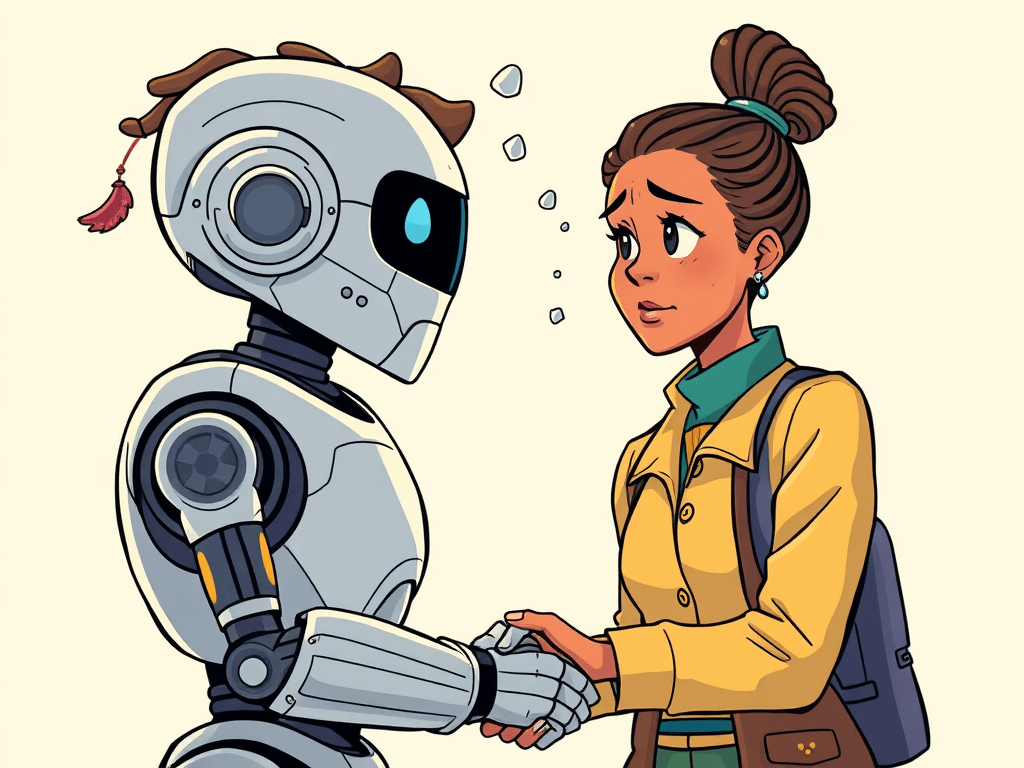
Organizational change is crucial to any business transformation. However, Artificial intelligence (AI) is no longer a futuristic fantasy; it’s rapidly becoming a core component of business strategy across industries. Companies are investing heavily in AI technologies, from automation and predictive analytics to personalized customer experiences. However, simply implementing cutting-edge AI tools doesn’t guarantee success. In fact, without a critical and often overlooked element – organizational change management – many AI initiatives are destined to fall short of their potential, failing to achieve proper adoption, true enablement, and ultimately, a full return on investment.
Think of it this way: introducing AI into an organization is like transplanting a sophisticated new engine into a car. While the engine itself might be powerful and efficient, if the car’s chassis, transmission, and the driver aren’t prepared for it, the new engine won’t deliver its promised performance. The entire system needs to adapt and be ready to harness the new power.
Digital Transformation Requires More Than Just Digits
Even in broader digital transformation efforts, the importance of organizational change cannot be overstated. Introducing new software, cloud infrastructure, or digital workflows impacts how people work, collaborate, and make decisions. Without a structured approach to manage these changes, companies often face resistance, low adoption rates, and ultimately, a failure to realize the intended benefits of their digital investments.
AI Transformation Amplifies the Need for Change
The need for robust organizational change management becomes even more critical with AI transformations. Here’s why:
Fundamental Shifts in Workflows: AI often automates tasks previously performed by humans, requiring significant shifts in job roles and responsibilities. Employees may need to learn new skills, collaborate with AI systems, and focus on higher-value activities. Without proper guidance and training, this can lead to anxiety, resistance, and underutilization of AI capabilities.
New Ways of Thinking and Decision-Making: AI can provide insights and recommendations that challenge traditional ways of thinking. Employees and leaders need to develop the ability to interpret AI outputs, understand its limitations, and integrate AI-driven insights into their decision-making processes. This requires a shift in mindset and a willingness to trust and collaborate with intelligent systems.
Data-Driven Culture: Successful AI relies heavily on data. Organizations need to cultivate a data-driven culture where data is valued, understood, and used effectively across all levels. This involves establishing clear data governance policies, ensuring data quality, and empowering employees with the skills to interpret and leverage data insights.
Ethical Considerations and Trust: AI implementation raises important ethical considerations regarding bias, transparency, and accountability. Organizations need to proactively address these concerns, build trust in AI systems, and establish clear guidelines for their responsible use. This requires open communication, education, and the involvement of stakeholders across the organization.
The “Black Box” Challenge: Some AI algorithms can be complex and difficult to understand, leading to a “black box” perception. Building trust and encouraging adoption requires demystifying AI, explaining its logic in accessible terms, and demonstrating its value and reliability. Organizational change efforts can facilitate this understanding and build confidence.
The Path to Successful AI: Integrating Organizational Change
To truly unlock the value of their AI investments, organizations must integrate organizational change management into every stage of their AI journey. This involves:
Clear Vision and Communication: Articulating a clear vision for how AI will benefit the organization and its employees is crucial. Open and transparent communication throughout the process helps to address concerns, build excitement, and foster buy-in.
Stakeholder Engagement: Involving employees from all levels and relevant departments in the AI planning and implementation process is essential. Understanding their perspectives, addressing their concerns, and incorporating their feedback increases the likelihood of successful adoption.
Comprehensive Training and Enablement: Providing targeted training programs that equip employees with the new skills and knowledge required to work effectively with AI systems is paramount. This includes technical skills, understanding AI outputs, and adapting workflows.
Iterative Implementation and Feedback Loops: AI implementation should be an iterative process with continuous monitoring and feedback. Gathering input from users and making adjustments based on their experiences ensures that the AI solutions are meeting their needs and being adopted effectively.
Leadership Buy-in and Championing: Strong leadership support is critical for driving organizational change. Leaders must champion the AI initiatives, communicate their importance, and actively participate in the transformation process.
Measuring and Celebrating Successes: Tracking key metrics related to AI adoption, enablement, and business impact is essential for demonstrating the value of the investment and reinforcing positive change. Celebrating early successes can build momentum and encourage further adoption.
Overcoming Fears of Job Displacement: A significant hurdle in AI adoption is the natural fear among employees that these intelligent systems will lead to job destruction and elimination. Recent announcements from companies like Klarna, declaring an “AI-first” strategy with potential impacts on customer service roles, and Duolingo’s integration of AI tutors, while showcasing innovation, can understandably trigger anxiety within their workforces and across the broader job market. It is crucial for organizations to proactively address these fears by clearly articulating how AI will augment human capabilities rather than simply replace them. Emphasize the creation of new roles that require uniquely human skills like creativity, critical thinking, and complex problem-solving, which AI can support but not fully replicate. Transparent communication about the evolving roles, coupled with robust reskilling and upskilling initiatives, is vital to alleviate anxiety and foster a collaborative mindset towards AI. Highlighting how AI can automate mundane tasks, freeing up employees for more engaging and strategic work, can also help shift the narrative from job elimination to job evolution.
Wrapping this up
AI holds immense potential to transform businesses, but technology alone is not the magic bullet. Successful AI implementation hinges on the organization’s ability to adapt, evolve, and embrace new ways of working. By prioritizing organizational change management, companies can ensure proper adoption, empower their employees, and ultimately, fully realize the transformative power and significant return on investment that AI promises. Ignoring this crucial element is a recipe for underutilized technology and missed opportunities in the age of intelligent automation.
 Real World Leadership
Leave a comment